18 November 2026
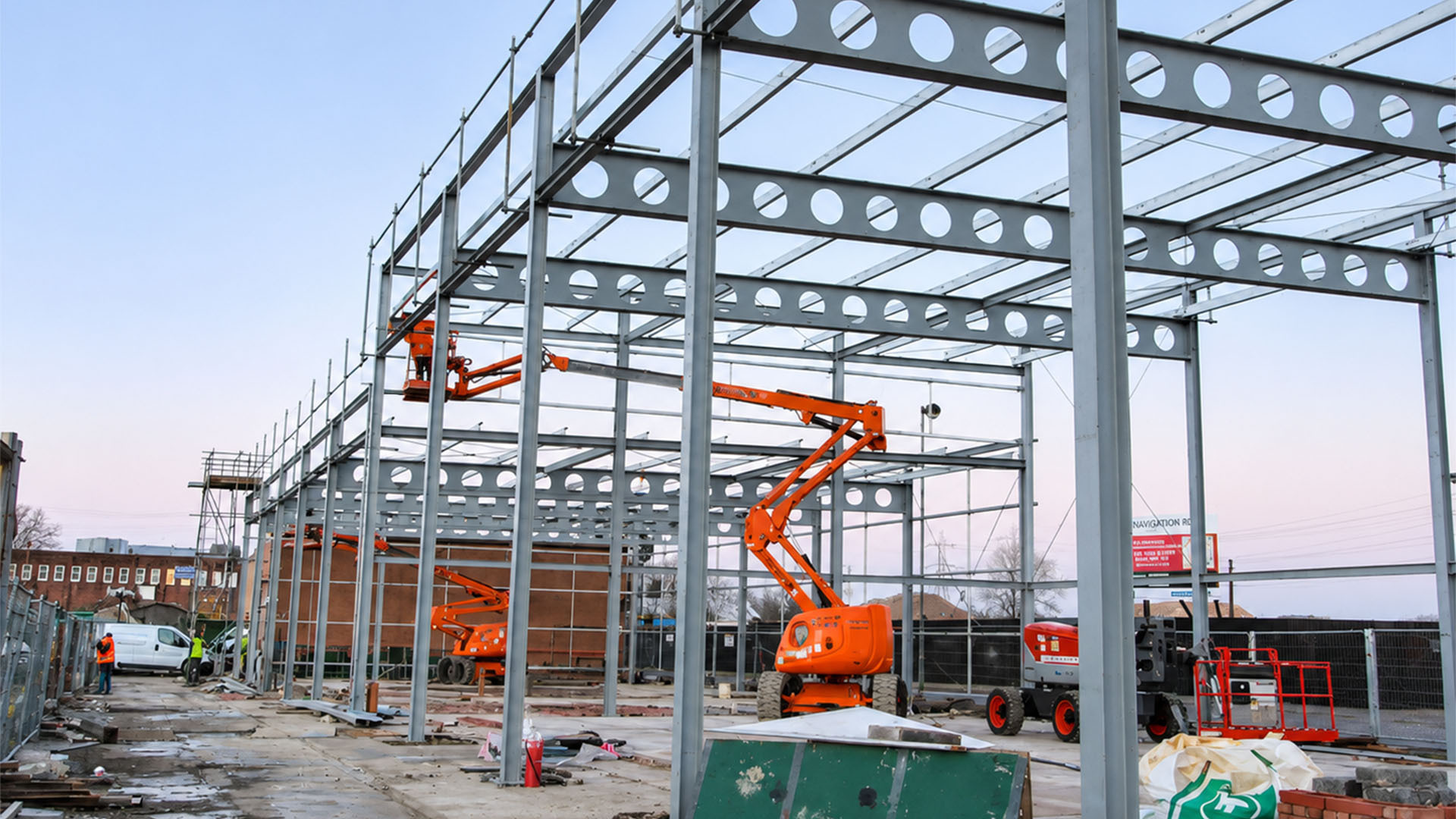
A structural steelwork tender can look straightforward on paper. You know the drill. The drawings are issued. The specification is in place. Quantities are being measured, subcontractor prices requested, and deadlines are fast approaching.
But there’s a difference between pricing the steelwork shown on a drawing and understanding what it will take to deliver it.
Can the proposed connections be fabricated efficiently? Will the steelwork fit within transport restrictions? Is there sufficient access for lifting and erection? And how will the installation sequence work alongside other trades?
These, of course, are practical questions with commercial consequences.
For main contractors, estimators and project teams, involving an experienced structural steelwork contractor during tendering or feasibility can help answer them before the programme and budget become harder to change.
Let’s take a look…
Structural design establishes what a structure needs to achieve. Turning that design into fabricated and erected steelwork introduces a whole different set of considerations.
Just take member sizes, connection details, fabrication tolerances and interfaces with other elements. These all influence how a steelwork package is manufactured and installed.
A connection may satisfy the structural requirements but prove difficult to fabricate or access during erection. A member might be perfectly suitable for its intended purpose but awkward to transport or position within a restricted site.
Now, these aren’t necessarily design faults. They’re practical considerations that benefit from early discussion between the design team and steelwork contractor.
The aim is to make sure that what works on paper can also be manufactured, delivered and installed under real project conditions.
No two construction sites present exactly the same conditions. A new development with generous working space presents different challenges from an industrial extension, a restricted city-centre site or work taking place within an operational facility.
Take a steelwork package involving long or heavy members. Before fabrication begins, there are several practical considerations worth examining:
These considerations can influence component sizes, delivery arrangements and the proposed erection methodology.
An experienced steelwork contractor can contribute practical fabrication and site knowledge to these discussions, helping the wider project team understand the implications before key decisions are finalised.
Steelwork is one part of a much bigger picture. And getting it right means understanding everything happening around it.
Detailing, approvals, material procurement, fabrication, protective finishes, delivery and erection all need sufficient time. Each stage depends on information and decisions made elsewhere.
Take a late change to connection details. It could mean revisiting fabrication information that’s already been prepared. An unresolved interface with another trade could hold up approvals. Change the erection sequence and deliveries might need reorganising.
Individually, these might seem like small changes. But their impact can be felt right across the programme.
For project managers, early steelwork contractor involvement provides an opportunity to test proposed dates against the practical requirements of the package.

Steelwork is one part of a much bigger picture. And getting it right means understanding everything happening around it.
Detailing, approvals, material procurement, fabrication, protective finishes, delivery and erection all need sufficient time. Each stage depends on information and decisions made elsewhere.
Take a late change to connection details. It could mean revisiting fabrication information that’s already been prepared. An unresolved interface with another trade could hold up approvals. Change the erection sequence and deliveries might need reorganising.
Individually, these might seem like small changes. But their impact can be felt right across the programme.
For project managers, early steelwork contractor involvement provides an opportunity to test proposed dates against the practical requirements of the package.
That’s why it’s worth asking a few questions early:
A realistic programme is more useful than an optimistic one.
For estimators and quantity surveyors, uncertainty comes with the territory. Drawings are still developing, details remain unresolved and prices are needed regardless.
The challenge is knowing which uncertainties could affect the price.
Take a tender where site access arrangements haven’t been confirmed. One contractor might assume standard deliveries and lifting arrangements will be available. Another might anticipate restricted access and include additional allowances.
Same steel quantities. Two potentially very different quotations. And neither necessarily tells the whole story.
That’s why early conversations with your steelwork contractor matter. They give estimating teams the opportunity to challenge assumptions, clarify what’s included and identify exclusions or provisional allowances before a decision is made.
It means comparing quotations on a more informed basis, rather than simply choosing the lowest figure.
A competitive tender matters. Knowing what’s included matters just as much.
You don’t need a fully resolved construction methodology to start a useful conversation. But the more relevant information you can share, the more productive that conversation is likely to be.
Before requesting or finalising a structural steelwork quotation, consider the following:
Are the latest general arrangement drawings, relevant structural information and project specifications available? Are connection design responsibilities clearly defined?
What is included in the steelwork package? Who is responsible for associated items, interfaces and coordination with other trades?
Are there restrictions affecting deliveries, unloading, crane access, working space or erection activities? Is the project taking place within an operational environment?
What are the key dates for design information, approvals, fabrication, delivery and installation? Are there fixed access or shutdown windows?
Are protective coating requirements, fire protection responsibilities where applicable, execution requirements and relevant project standards clearly specified?
What information remains outstanding? Which assumptions underpin the quotation, and what could materially affect the proposed price or programme?
These questions won’t eliminate every uncertainty. They can, however, help the project team understand where attention is needed before commitments are made.
A structural steelwork package involves more than producing and installing steel.
It requires the right information, realistic planning, clear responsibilities and an understanding of how the work fits into the wider project.
Early contractor involvement isn’t a guarantee that every challenge will disappear. It’s an opportunity to ask better questions, identify practical considerations and make more informed decisions while there’s still room to act on them.

We recognise the importance of being proactive at tender stage and would be happy to offer any assistance, such as joint site visits and feasibility studies, in an attempt to improve your estimating departments’ success rate and as a direct consequence our own success rate…
Sign up to receive our latest news and product updates.


